


wellcom

-
Mens
-
-
Men's boots
--------------------------------------
-
-
-
men's shoes
--------------------------------------
-
-
-
men's shoes
--------------------------------------
-
-
-
Men'sneakers
--------------------------------------
-
-
-
Blog

-
-
-
Blog

-
-
-
Blog

-
-
-
Blog

-
-
-
Blog

-
-
-
Blog

-
-
-
Blog

-
-
-
Blog

-
-
-
Blog

-
-
-
Blog

-
-
-
Blog

-
-
-
Blog

-
-
-
Womens
-
-
Women's shoes
------------------------------
-
-
-
Women's boots
----------------------------------
-
-
-
Women's sandals
------------------------------
-
-
-
Blog

-
-
-
Blog

-
-
-
Blog

-
-
-
Blog

-
-
-
Blog

-
-
-
Blog

-
-
-
Blog

-
-
-
Blog

-
-
-
Blog

-
-
-
Blog

-
-
-
Blog

-
-
-
Blog

-
-
-
-
-
-
New arrival
-
-
New arrival

-
-
-
New arrival

-
-
-
New arrival

-
-
-
New arrival

-
-
-
New arrival

-
-
-
New arrival

-
-
-
New arrival

-
-
-
New arrival

-
-
-
New arrival

-
-
-
-
-
-
-
-
-
-
-
Blog categories
Blog Search
Latest posts
Popular posts
Featured posts
What is natural leather? + Introducing the types of natural leather available in the market
01TIR
What is leather? What are the types of leather? What are the types of natural and synthetic leather?
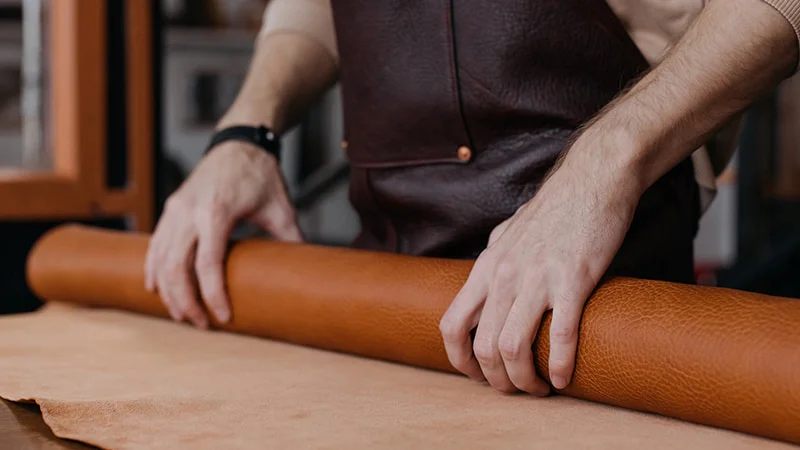
Leather or in English Leather is obtained from tanning the skin of various animals (especially cows). In fact, knowing the meaning of this product makes us more familiar with its use, features and shape. Natural leather refers to the preparation and finishing of the skin of some animals such as cows, goats, sheep, etc. It is interesting to know that the leather production process is done by a chemical method called tanning. Tanning prevents animals from spoiling by microorganisms (fungi and bacteria).
In fact, the tanning process causes the perishable skin of animals to become a durable and flexible natural material for various applications. It is interesting to know that leather is obtained from the combination of animal skin with some materials such as fir tree bark, white alum, hazelnut, oak, sumac, caoutcho and some other chemicals, and this leather is very flexible. Leather is made from the raw skin of animals and its production is influenced by gonaconic factors. However, the concept and understanding of the meaning of leather and a correct and comprehensive definition of this material requires a precise production method and its historical investigation.
Leather production method
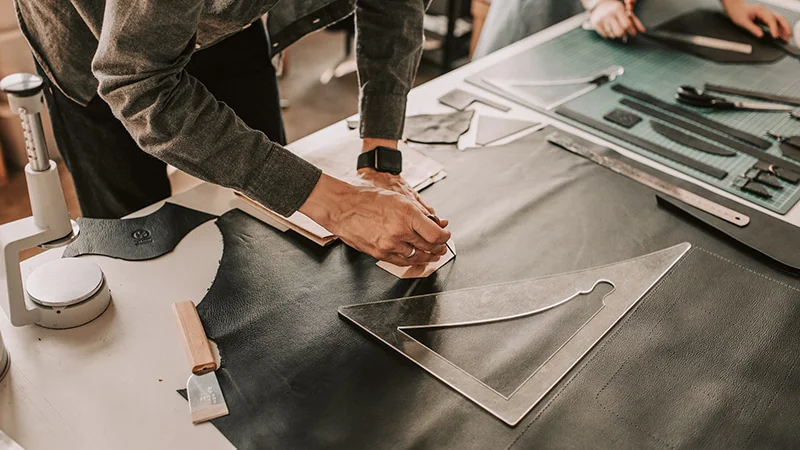
The method of producing high-quality leather is very valuable for the production of bags, men's and women's leather shoes , and other items. The process of making this material is very difficult. It is appropriate to have a close look at the production method of this substance.
As you know, in the past, the production process of this material was done manually. Fresh animal skins were dried in the sun and beaten to make them soft. In order for the quality of the skin to maintain its original quality, they salted it and smoked it. But today, in the modern era, the production process of this material is carried out in 3 general stages (preparation for tanning, tanning and polishing).
1) Preliminary stage or preparation for tanning
After skinning the animal, it is stored in the warehouse for protection. In fact, after a few hours of the animal's death, the animal's skin will decompose. To prevent it from breaking down, they protect the skin by dehydrating it. Dehydration includes drying the skin in front of the air, spraying it with salt or using acid.
2) Tanning stage
First, the skin of the animal is washed to make it soft and clean. The hair on the animal's skin is removed by a special method called liming (immersing the animal's skin in a mixture of water and lime). At this stage, hairs and extra tissues on the skin are completely removed.
One of the oldest tanning methods is the use of plant extracts (plant parts such as leaves, seeds, bark and roots that contain tannins). Using this method may take weeks or months and produce a very water resistant leather.
Tanning with minerals: salts (such as chrome salt) are used to produce stable and soft leather . This method is the best method to produce light leather.
Oil tanning: they use fish oil, fatty substances and other oils. Tannery with oil is mostly used to produce leather from Shuka or mountain goat skin.
3) Payment stage
In the next step, to remove the lime and wash the skin again, rub it to enhance the freshness and color of the leather (by removing the protein enzyme) and pickling (to prepare a soft and clean leather).
In general, leather making is the knowledge of using salts, enzymes, acids, and tans to dissolve non-fibrous proteins, fats, and better strengthen the bond between skin collagen fibers. After the initial stages of tanning, the skin is ready to be processed and turned into leather. After tanning, the skin is dried and ready for coloring. To soften and lubricate and increase the durability and strength of the skin, grease and special oils are applied to it. And finally, the leather is dried in the air with a humidity of 14%.
Types of leather
In general, in the leather industry, this material is divided into two general categories, each of which has its own production method and specific characteristics.
natural leather
This type of leather is produced from animal skin and has a long lifespan. This type of leather contains some harmful substances during production. Natural leather has been used as body covering since the beginning of mankind. These days, with the advancement of technology and the great use of this type of leather, it is divided into categories (light, semi-heavy and heavy leather), which we briefly mention in the following text.
Artificial leather
Synthetic leather is produced from plastic materials and finally treated with paint or wax to create texture and color. These days, this type of leather is widely used in the fashion industry, shoes and bags, furniture making and women's style. This type of leather is very similar to natural leather , with the difference that it is not produced from animal skin and is impure, and its properties are not like natural leather. Before we continue, if you want to fully familiarize yourself with the types of artificial leather , we suggest that you read the article that we have prepared for you.
The difference between natural and synthetic leather
With many advances in the production process of artificial leather, the difference between natural and artificial leather has been greatly reduced in terms of appearance, and this has caused some profit-seeking people to sell artificial leather at the price of natural leather in the market. This has caused the attention and importance of the difference between natural and artificial leather and distinguishing them from each other to double. In the following, we discuss several methods to distinguish artificial and natural leather:
- Smell: The smell of leather is one of the ways to distinguish natural from synthetic leather. Natural leather will smell like animal skin, while synthetic leather will smell like plastic.
- Texture: The texture of natural leather is uneven. The thickness of the fabric is not equal in its different parts. If you take the natural leather directly under the sunlight, due to the non-uniformity of the texture of the natural leather, the light reflection is not the same on all leather surfaces. Of course, it goes without saying that the difference between artificial and natural leather is clear on the back of the product. Synthetic leather will be sewn with thread, but the back surface is polished natural leather.
- Heat: As mentioned in the text above, artificial leather is made of plastic material and it will shrink immediately when heat is near. While natural leather is resistant to heat and if it is too close to the flame, it will smell like burnt hair.
- Identity card: All items that will be produced from natural leather have a special mark and label. Natural leathers are more expensive due to their expensive production process.
Types of natural leather
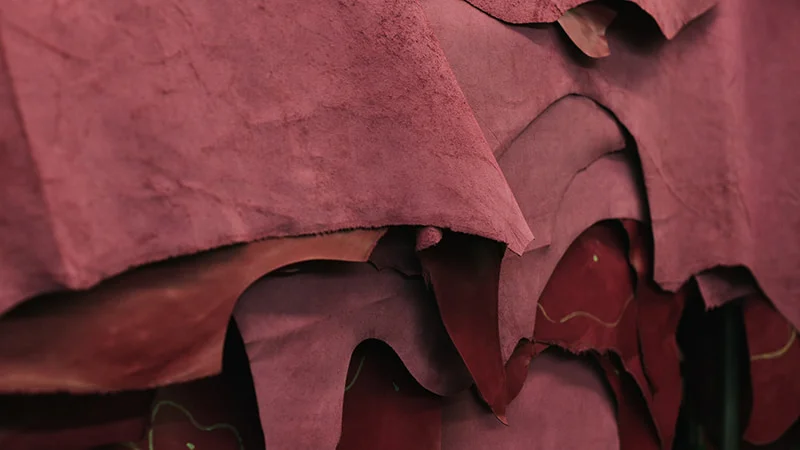
Leathers are divided into three general categories based on their thickness, strength and softness, light leather , semi-heavy leather and heavy leather .
- Light leather: Light leather will be obtained from the skin of animals such as goat, goat, lamb and sheep. Because these types of leather are very thin and delicate, they are used in the manufacture of some products such as jackets, all kinds of clothes, etc. And they use light and low-quality leather in the lining of clothes.
- Semi-heavy leather: This type of leather is made from the skin of animals such as ostrich, crocodile, etc. Semi-heavy leathers are used in making luxury and decorative products due to their expensiveness and rarity.
- Heavy leather: refers to leather made from the skin of animals such as calves, cows, camels, buffaloes, etc. This type of leather is one of the best types of leather and compared to other leathers, it has more resistance and a more beautiful appearance. Due to its high strength, heavy leather is used in the preparation of high-quality handbags and handbags, machine belts, shoe uppers and soles.
All kinds of animal leather
- Cow leather: The density of cow leather fibers is high and it has very high resistance. Its surface is smooth and it is prepared in two different forms (dry and soft) in different thicknesses. This type of leather is used to make clothes, gloves, bags, shoes, etc.
- Sheep leather: The fiber density of sheep leather is much lower compared to other leathers and it is not very resistant like calf and cow leather. Their surface is smooth like cow leather and due to the fact that this leather is light in weight and very soft, it is widely used in making gloves, seat covers, clothes and bags.
- Goat leather: The fiber density of goat leather is higher than that of sheep leather, but it is less than that of cow leather. Because it has good resistance. This type of leather is lighter and more flexible compared to other leathers. This type of leather is used to make shoes and bags.
- Buffalo leather: Compared to cow leather, buffalo leather is much thicker and is used to make horse saddles, belts, luggage, etc.
- Deer leather: Deer leather is very smooth and soft. But it is not strong and strong compared to cow leather. In terms of durability and durability, deer leather is the same as sheep leather, with the difference that deer leather is harder. This type of leather is used in the production of soccer balls, bags and clothes.
Types of leather based on appearance
Nubuck leather
This type of leather is made from the outermost layer of animal skin and is resistant to scratches. The strength and resistance of this type of leather is more than Ashbalt leather and suede. Nubuck leather is used to make belts, shoes and bags.
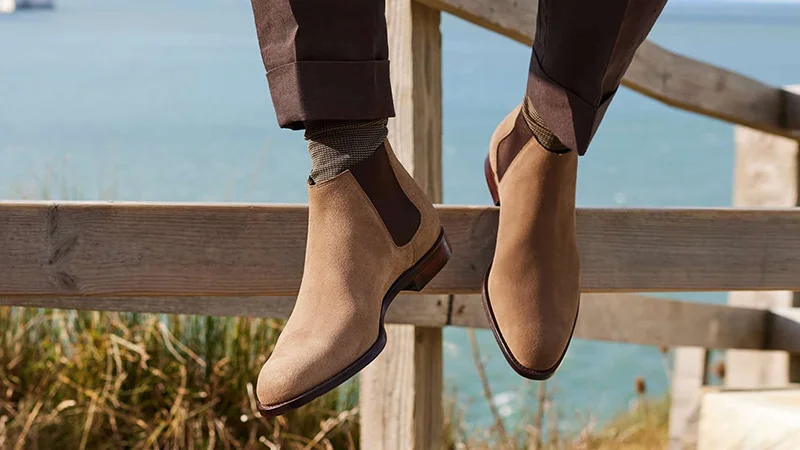
Suede leather
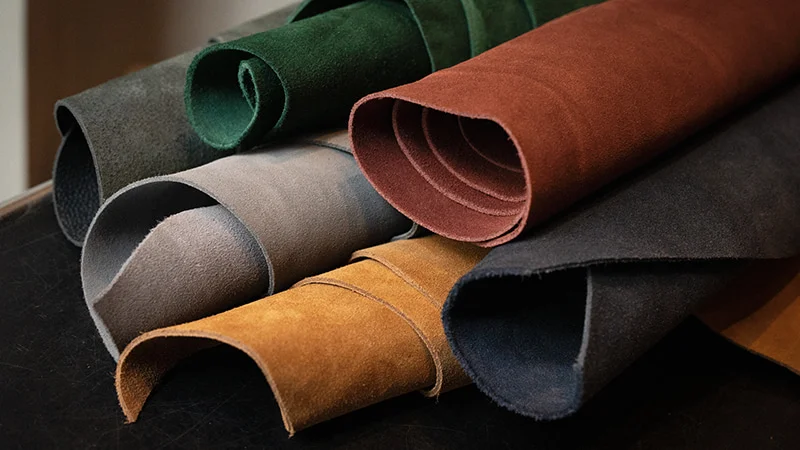
Suede leather is produced from the innermost layer of animal skin. This type of leather is softer and has a velvety feel and does not have much strength.
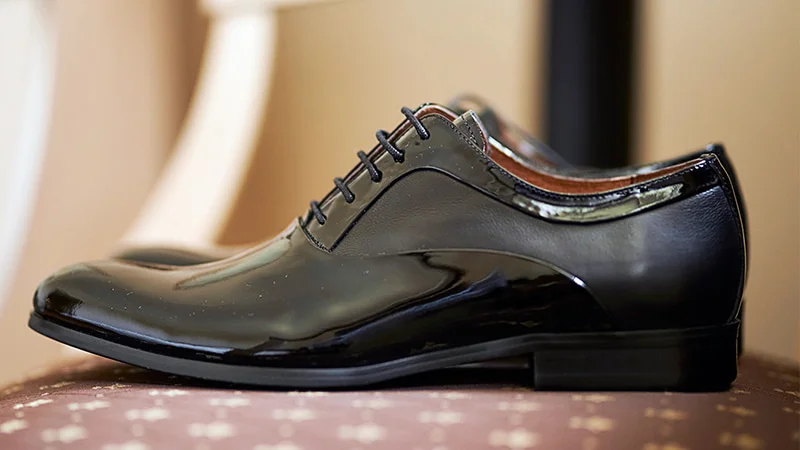
Varnished leather
Varnished leather is produced from beef and calf meat and will be known for its very beautiful and shiny appearance. After making the leather, usually the surface of the leather is covered with lacquer to give it a shiny appearance.
Ashbalt leather
Ashbalt leather is produced from the middle part of the skin . Unlike nubuck leather, this leather has a fluffy surface.
Croc leather
In fact, it is the same natural leather that is applied to crocodile or snake skin leather.
Types of natural leather based on quality
Full grain leather
The strongest and most durable skin is called full-grain animal skin, and it is located right under the hair and does not flatten. Full grain leather is also called pure leather. The available fibers of full grain leather are made in the strongest form. Therefore, it is resistant to punctures, tears, cracks and moisture. The highest quality leather products are made from this type of leather. This leather has a special smell and is exactly the same color as animal skin and cannot be dyed.
Top green leather
This type of leather is in the second category of natural leather. The texture of this type of leather is 100% natural. Ibn type of leather with its very special texture is considered one of the best types of natural leather. This type of leather is used in the production of many products such as bags and accessories.
genuine leather
Genuine leather is actually not pure leather. Genuine leather has a lower quality compared to pure leather. This type of leather is spray painted. Genuine leather is the third type of natural leather, but it loses its quality over time.
Leather coloring
Among the types of leather, only natural leather can be dyed. They use two colors to dye leather. Each of these colors has different characteristics.
1: Oil-soluble dyes: Oil-based dyes will give the leather more strength.
2: Water-soluble colors: Colors that will dissolve in water, the appearance and color of the perm looks much more natural.
In this article, we tried to fully explain natural leather and its types and production methods. We hope this article was useful for you. Share your questions and comments with us.
Posted in:
Learning
Leave a comment
Log in to post comments